
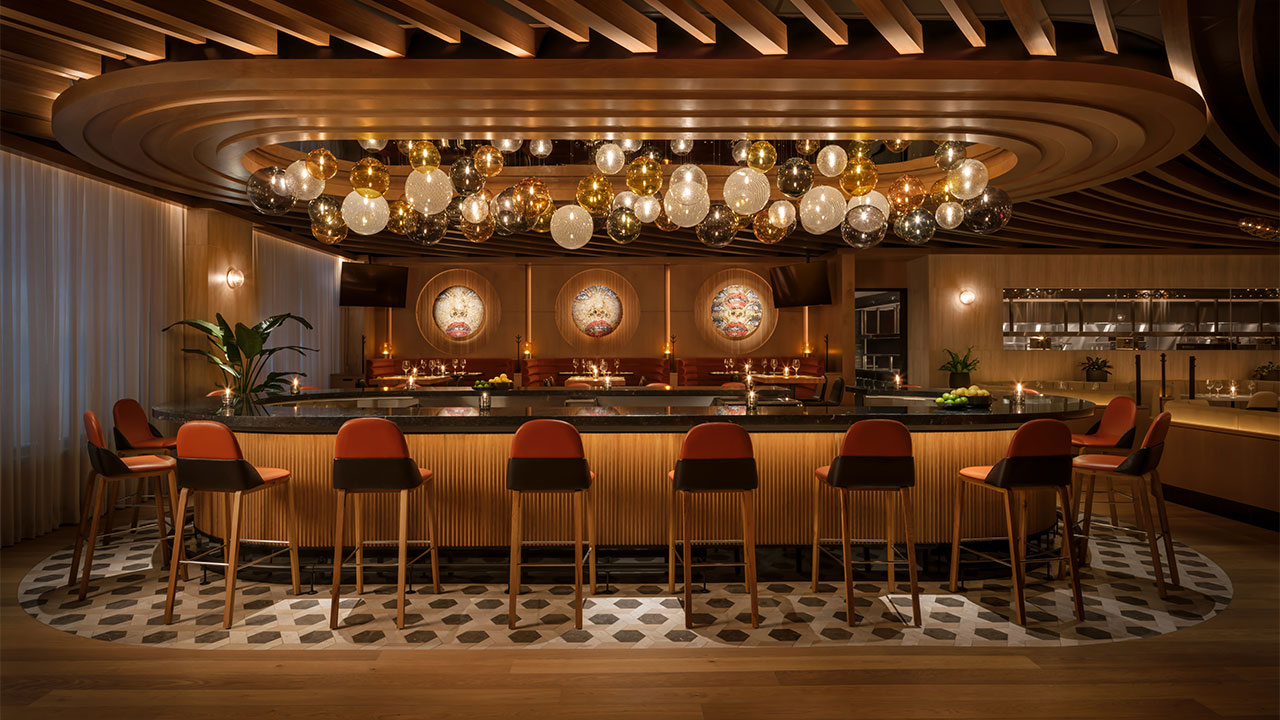
Expanding into a new country means the kitchen model must travel. Equipment preferences, custom stainless details, service flow, and lessons from previous openings all carry forward. So does the discipline to hold the schedule and the standard, even when the site, the construction team, and the trade network are unfamiliar. Cactus Club Cafe had built that model across Canada, and Foundry Kitchens had supported multiple locations along the way. When Cactus Club pushed into the U.S., Foundry moved with them.
Project snaphot
- Project: Cactus Club Cafe U.S. expansion
- Locations: Boston, Miami
- Foundry roles: design, estimating, project management services, custom stainless, equipment supply, cross-border logistics, install coordination
- GC partners: varied by market
- Out of scope: final trade hookups, local permit coordination
The problem with a rollout
A multi-location rollout can look simpler than it is. The brand is established. The kitchen model exists. The equipment list is known. But none of that means the work is repeatable without effort.
Mitch Webb, Foundry’s Install Services Lead, works across Cactus Club locations and is direct about it: “They’re not cookie-cutter. They are different in every store, and they’re ever-changing.”
That matters because it describes the actual risk on a rollout. Cactus Club’s operations team continues to refine its kitchens from one opening to the next, including new configurations, adjusted workflows, and changes driven by what the chef team learned at the last location. A kitchen package that worked in Vancouver doesn’t simply get copied to Miami. It gets reviewed, adjusted, and re-coordinated for the new site.
The custom stainless package is where that shows up most clearly. Melinda Appenheimer, Foundry’s lead estimator, can often forecast the equipment buy-in package because Foundry knows the brand’s specifications well. The fabricated components are different.
“Cactus is always on the cutting edge within their organization,” she said. “They might be trying a new design or a new configuration that makes work in the kitchen more efficient, or safer.”
That means each project still needs a detailed custom package, even with years of brand knowledge behind it.
Keeping that standard consistent across markets, even while each site brings different conditions, different trades, and new logistical pressures, was the core challenge of the U.S. expansion.
Catching problems before they reach the field
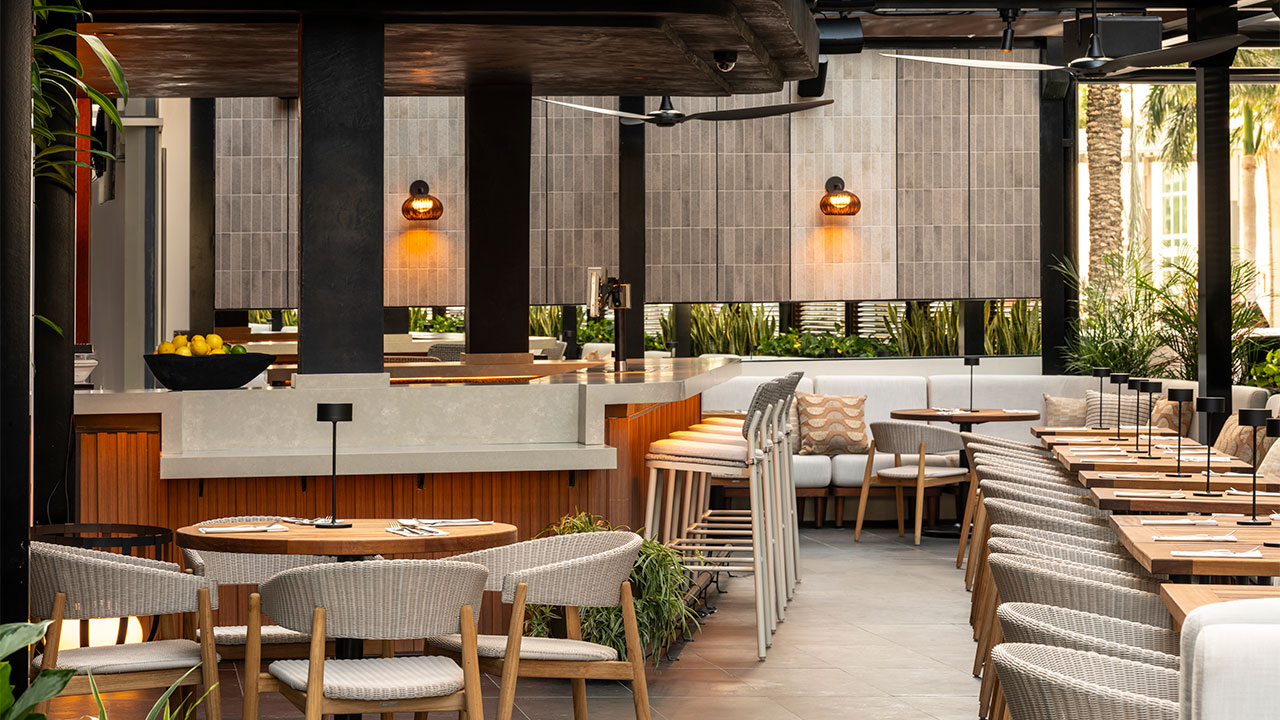
Late kitchen surprises, such as services in the wrong location or rough-ins that don’t align, can be costly. Sometimes it’s a case of equipment that won’t clear a low ceiling, or a detail that looked manageable on the drawing becomes a problem once the walls are closed.
Foundry’s approach to Cactus Club is to work through the drawings before the project goes to tender or breaks ground. Mitch reviews them alongside Stanley Tsia, Foundry’s design lead on the account, looking at stainless details, equipment placement, rough-in locations, and anything that could affect the site team or trades later.
On one U.S. project, that review caught a ceiling constraint affecting the exhaust hoods. Because it surfaced early, the team coordinated with the HVAC trade and moved to a low-profile hood solution before it became a field problem.
“If that’s not sorted out early, we can run into a ton of issues where things don’t work,” Mitch said. “The hoods that you’ve ordered don’t work; you have to refabricate them, which can be a huge deal.”
For a general contractor working with a new brand in a new market, unresolved kitchen details are a real schedule risk. Front-loading that coordination is how Foundry keeps them from landing in the field.
Cross-border execution
Moving a kitchen package across the Canada-U.S. border adds a layer of project planning that doesn’t exist in domestic work. Equipment must move, and custom stainless steel must be priced and shipped. Also, trade partners must be sourced from markets where Foundry doesn’t have an established install crew. Freight costs, tariff conditions, exchange rates, and border requirements all come into play.
Melinda’s role put her at the forefront of those issues. Once the design was underway, she was scoping equipment needs, pricing the stainless package, and finding qualified trade partners in new markets. “Sometimes I’m the first nose of the ship,” she said. “Here’s what we’re going to need. We have to talk about freight. We need to talk about how we’re going to get this stuff across the border.”
That became more complicated as tariff conditions shifted during the expansion. Some projects had been quoted before the new tariff charges came into effect, creating pricing exposure mid-project.
Foundry’s approach was to be direct with Cactus Club about what had changed and how costs would be handled. “It was very transparent,” Melinda said. “This is what we got charged.” The conversations required patience, but the relationship absorbed the pressure without derailing the project.
That transparency also produced useful information for subsequent locations. A freight issue or border complication on one project gets factored into the planning for the next.
Keeping the install connected to the brand
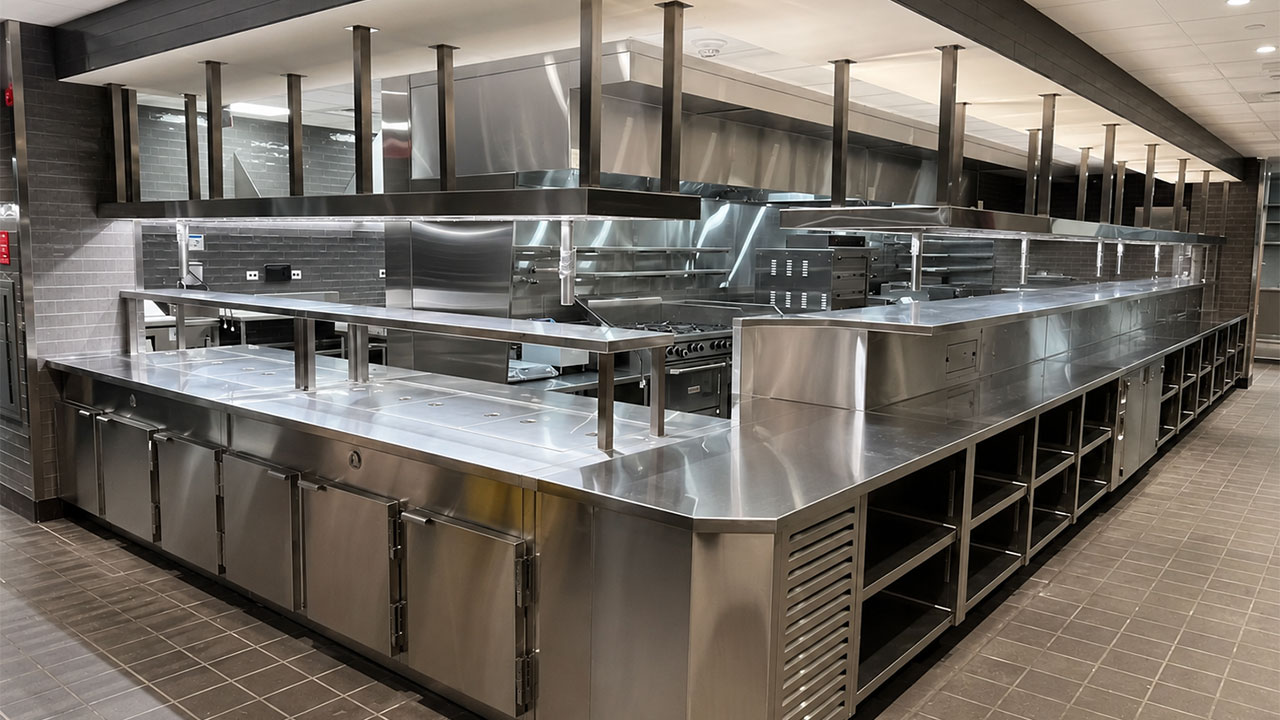
In Canada, Foundry’s installation team typically handles the fieldwork directly. In the U.S., Foundry works with local third-party contractors. The challenge is keeping those installers aligned with Cactus Club’s kitchen standard when they haven’t worked with the brand before.
Mitch handles that by being present. He visits each U.S. site for an early measure, returns when the first delivery arrives, and walks the local installers through Foundry’s expectations before work begins. “I won’t be installing, but I’m going to do a site measure, and then I’ll be down there again when the first shipment shows up so I can meet the installers and walk them through what our expectations are.”
The U.S. expansion will continue through 2027. Each new location brings a different site, general contractor, and set of local trades. Melinda described the value of Foundry’s integrated model plainly: “I think part of what the integrated model benefits is always learning from the project that just happened. Is there a modification we’re always making? Okay, let’s see that from the start, so it’s not a surprise on site.”
Cactus Club’s U.S. expansion shows the value of starting with a kitchen partner who understands the work behind the drawings: equipment, stainless, services, site coordination, installation and the daily demands of the operators who will use the space. For general contractors, architects and restaurant groups, that early clarity can help reduce surprises once construction is underway.
Planning a commercial kitchen project? Book a complimentary consultation with Foundry Kitchens to talk through your scope.